
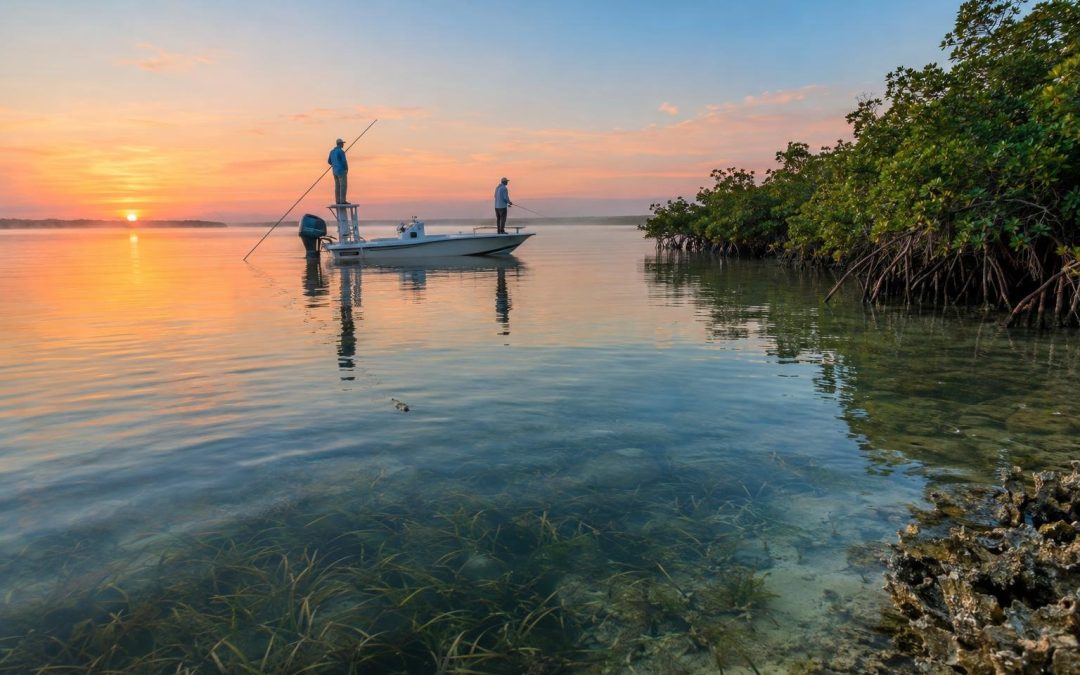
Plan a late-fall Tampa Bay inshore fishing trip
Late November is a lively time to fish Tampa Bay. Cooler mornings, changing water levels and passing cold fronts can shift where fish feed from one day to the next, but that variety is part of the fun. Redfish and speckled trout are good species to target, while snook remain in the picture as they adjust to cooler water and seek shelter.
The best plan is flexible. Rather than choosing a spot by the calendar alone, pay attention to recent temperatures, wind, water clarity and the tide on the day you go. A thoughtful Tampa fishing charter can adjust the route and presentation as conditions unfold, whether you’re an experienced angler or bringing the family for a first trip.
What changes as the water cools?
In fall, a few cool nights can make fish less willing to roam across exposed shallows, while a run of mild, sunny days can bring feeding activity back to the flats. After a strong front, protected creeks, deeper cuts and potholes near shallow feeding areas can be worth a closer look. When conditions settle, grassy flats, mangrove edges and oyster shorelines may all hold bait and feeding fish.
Water level matters as much as the tide-table prediction. Wind can push water into or out of a shoreline, so the level you see may differ from what you expected. On a higher tide, fish can work close to mangroves and flooded grass. As water drains, look for nearby cuts, drains and edges that concentrate bait. Moving water often helps make those transitions easier to read.
Wind and clarity also guide the day. On a breezy morning, a sheltered shoreline can be more comfortable to fish and may offer better casting conditions. If the water is clear and calm, approach quietly and cast ahead of visible fish rather than dropping a lure right on top of them. These small adjustments can make a Tampa Bay fishing charter more enjoyable and productive for anglers of different skill levels.
Redfish: work the edges and watch for signs
Redfish are a popular late-fall target around Tampa. Search shallow flats, mangrove shorelines and oyster edges, especially where bait is moving with the tide. Look for nervous bait, subtle surface swirls, wakes and tails in very shallow water. Sometimes fish are easy to spot; other times, a careful cast along a likely edge is the better approach.
Live bait is a practical choice when you want to keep the presentation straightforward. Artificial lures can also be a good fit for covering water or practicing accurate casts. A soft plastic or shrimp imitation can be worked slowly near a pothole or shoreline, while a lure with a more active retrieve can help you explore a flat. The right option depends on wind, water clarity, fish activity and the experience of the anglers aboard.
Redfish can be a rewarding species for families because a shoreline or flat offers plenty to observe while you wait for a bite. Kids can help watch for bait and learn to cast toward a target. Keep the instruction simple: make a controlled cast, let the bait or lure settle, and pay attention to the line. A patient pace gives new anglers time to get comfortable without taking the fun out of the day.
Speckled trout: check grass, potholes and nearby depth
Speckled trout often use grass flats and the deeper potholes within them, with the best location changing as the water cools. Start by looking for a mix of grass, sandy openings and access to deeper water. If a flat looks quiet after a cold front, try a nearby drop or channel edge rather than repeatedly covering the same empty water.
Light tackle makes trout fishing engaging because it lets anglers feel a subtle take and control a modest-size lure. A soft plastic or live bait can be presented over grass or near a pothole. Keep the retrieve measured and be ready to vary it; fish may respond to a steady movement one day and a slower presentation the next. For those who want to learn how to use artificials, ask about a lure-focused trip when arranging your charter.
When targeting trout, handle fish carefully and follow current size and harvest rules if you plan to keep any. Rules can change, and the details may depend on the species and location. Check the latest Florida regulations before your trip, or ask your captain to help clarify what applies on the water.
Snook in the late-fall transition
Snook remain a favorite for many Tampa Bay anglers, and late fall can mean adjusting tactics as the water temperature changes. On mild days, shorelines and flats may still be worth checking. After a cooler spell, protected water, creek edges and areas close to deeper holding spots can become more appealing. A moving tide and nearby bait are useful clues, but no single location is right for every day.
There is an important seasonal distinction to know: in the Tampa Bay region, the recreational snook harvest season is open through November 30, then closes December 1 through the end of February. Fishing and keeping a fish are not the same thing during a closure. If you plan to retain a snook while the season is open, confirm the current rules, including the slot and bag limits, with the Florida Fish and Wildlife Conservation Commission. Catch-and-release anglers should handle fish promptly and return them carefully.
Learning how to read a shoreline is part of the appeal. Capt. Jay can help anglers notice likely ambush points, bait activity and changes in water movement. You can learn more about Capt. Jay and his approach before deciding what kind of trip suits your group.
Choose a trip length that fits your group
A four-hour inshore charter is a comfortable introduction for first-timers, younger anglers or families who would rather keep the day compact. It leaves time to learn the basics, fish a few promising areas and enjoy being on the water without overcommitting. Bring layers for a crisp start, sun protection for later and snacks or drinks for your group.
A six-hour trip gives the captain additional time to adapt if the first area is quiet or conditions change. It can suit anglers who want a broader mix of fishing and a little more time to work through the day’s pattern. An eight-hour charter offers the most time on the water and can be a good fit for committed anglers or groups who prefer a longer outing. The right length depends on your priorities, comfort and who is coming along.
Families can make the trip easier by keeping expectations relaxed. Let children know that fishing includes watching, learning and moving between spots—not just reeling in fish. Ask what gear is provided, what to bring and whether the captain recommends live bait, light tackle or lures for your date. Stealth Fishing Charters offers family and kids fishing trips, as well as inshore options for anglers focused on snook, redfish or trout.
Use a report as a starting point, not a promise
A recent report can help you understand what has been happening, but Tampa Bay conditions can change quickly. Compare the report with the forecast, wind direction and tide timing, then keep an open mind. The captain’s observations on the day—water temperature, clarity, bait and actual water level—are often more useful than relying on a pattern from several days earlier. The Captain’s Log fishing reports can offer a helpful look at recent local outings.
Whether you are visiting from St. Petersburg, Clearwater, South Tampa, Apollo Beach or another part of West Central Florida, the same principle applies: dress for changing weather and leave room for the plan to evolve. On a good day, you may find active fish on a flat. On another, the productive move may be to fish a protected edge or deeper transition. Reading those differences is part of the experience of Tampa Bay inshore fishing.
Call or text Capt. Jay at 813-494-2048 to book your Tampa Bay fishing charter and talk through the right trip for your group.
Frequently Asked Questions
What can we target on a late-November Tampa Bay charter?
Late November is a good time to consider redfish and speckled trout, with snook also in the mix as conditions allow. Recent weather, water level and tide can influence where each species is feeding on your trip.
How long should a family fishing trip be?
A four-hour trip can be a practical introduction for families and first-timers. Six- and eight-hour options allow more time on the water, so consider your group’s interests, stamina and schedule when choosing.
Can beginners use light tackle or artificial lures?
Both are options, and the best choice depends on the conditions and your goals. Live bait can be approachable for new anglers, while light tackle and lures offer hands-on practice; ask about an artificial-bait trip when booking.
Can you keep a snook in Tampa Bay in December?
The Tampa Bay recreational snook harvest season closes December 1 and remains closed through the end of February. Regulations can change, so verify current rules with the Florida Fish and Wildlife Conservation Commission before keeping a fish.
What should we bring on a Tampa Bay fishing charter?
Wear comfortable clothing in layers, since mornings can feel cool and conditions may change. Bring sun protection, drinks and any personal items your group needs, and confirm gear and trip details with the captain before heading out.
Sources
- Recreational harvest of snook in all east coast and most west … – FWC
- Seasonal closure for recreational snook harvest begins …
- Tampa Bay Fishing in November: What's Biting
- The Tampa Bay Fishin’ Report
- Recreational harvest of snook for Florida's west coast will …
- Tampa Bay Fishing: Conditions & Best Lures Today (FL) | Tackle.net